In-Expensive Hobbies
When money’s tight, hobbies that enrich your life without draining your wallet are priceless. Here are practical, low-cost activities that boost wellbeing, skills, and relationships — plus simple ways to stretch each one further.
David Parham
4/29/20263 min read

Inexpensive Hobbies
When money’s tight, hobbies that enrich your life without draining your wallet are priceless. Here are practical, low-cost activities that boost wellbeing, skills, and relationships — plus simple ways to stretch each one further.
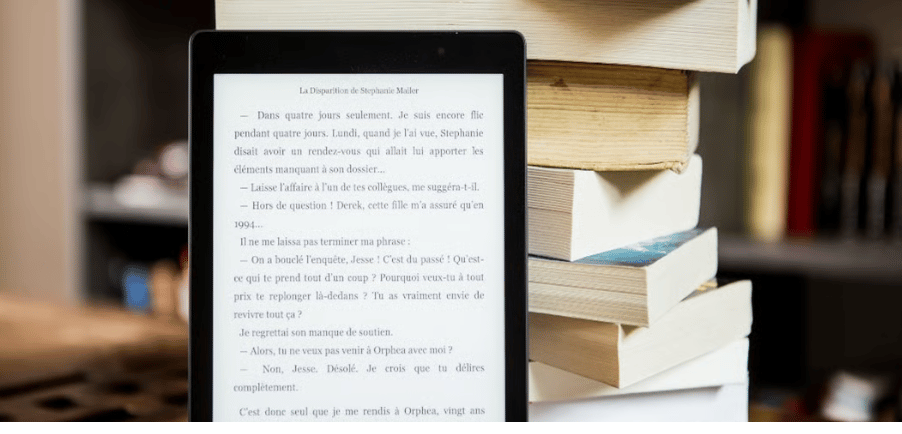
1. Reading — high return, low cost
Why it’s great: improves focus, mindset, knowledge, and can break bad habits.
How to do it cheaply:
Use your public library for physical books and interlibrary loan (ILL) — often free or very low-cost for shipping.
Try library apps like Hoopla and Libby for eBooks, audiobooks, and magazines (free with your library card).
I use the Hoopla Digital program to read many books. Currently I am reading two books which are fantastic. Mindset by Ellis Hodge and Common Sense Mutual Funds by John C. Bogle. There is no cost associated with borrowing the books. Read books that will expand your mind. 90% of college graduates never read another constructive book after graduation. Keep learning every day.
Find free Kindle books (search “Free Kindle Books [topic]”), and use services like BookBub, BookFunnel, or The Fussy Librarian for daily free-book alerts.
Consider Kindle Unlimited only if you read heavily and the subscription pays off.
2. Park visits and outdoor play
Why it’s great: free exercise, fresh air, family bonding, low-stress entertainment.
How to maximize value:
Pack a picnic instead of eating out.
Bring simple toys or games (frisbee, ball, sidewalk chalk).
Make it routine — weekly park time builds memories and reduces screen time.
Why it’s great: physical activity, fresh produce, mental health benefits.
Cost-saving tips:
Start small: container or raised-bed gardening reduces upfront cost.
Swap seeds or cuttings with neighbors or community groups.
Compost kitchen scraps to cut fertilizer costs.
4. Board games, card games, and DIY play
Why it’s great: social, cognitive stimulation, low recurring expense.
Keep costs low:
Use classic, inexpensive games (dominoes, playing cards, chess).
Host game nights and rotate who brings snacks.
Make your own versions of popular games with household items.
5. Walking, running, and body weight exercise
Why it’s great: free, flexible, and improves health quickly.
How to stick with it:
Follow a simple plan (3–5 sessions/week) and track progress.
Join a local walking group or virtual challenge for accountability.
Use free apps or YouTube for guided bodyweight workouts.
6. Learning new skills online (budget-friendly)
Why it’s great: career and personal growth with minimal cost.
How to access affordably:
Use free courses from libraries, MOOCs, or YouTube.
Borrow books on the subject from the library before buying.
Practice with free tools (open-source software, free trial accounts).
7. Listening to audiobooks and podcasts
Why it’s great: learn while commuting, exercising, or doing chores.
Saving tips:
Use library apps (Hoopla, Libby) for audiobooks.
Subscribe to high-quality free podcasts in your areas of interest.
8. Volunteering and community activities
Why it’s great: social connection, new skills, sense of purpose — free.
How to get started:
Check local nonprofits, libraries, schools, or community centers.
Choose opportunities that align with interests to make it feel like a hobby.
Practical habits to save on all hobbies
Prioritize free community resources (libraries, parks, community centers).
Trade or borrow before buying — books, tools, and games circulate widely.
Limit impulse purchases and set a small monthly hobby budget.
Reinvest saved money into higher-value experiences (travel, classes, tools).
Final thought: Inexpensive hobbies can transform time and money into knowledge, health, and deeper relationships. Start with small, consistent habits — like swapping an hour of TV for reading — and you’ll see big benefits without big spending. I can’t tell you how much I have learned reading 3 or 4 books every month over the past 4 years.
It’s fun, and you can expand your mind to new and exciting things while improving your work knowledge.
Contact
davidparham@lifecanbesimple.net
Follow
Connect with Us
+1 940-730-5105